En mars 2024, un investisseur expérimenté reçoit un message Discord d'un développeur réputé annonçant le lancement d'un nouveau token DeFi. Le site est impeccable, le whitepaper convaincant, l'adresse du contrat intelligent affichée en toute transparence. L'investisseur transfère 15 000 euros en stablecoins. Trois heures plus tard, le site disparaît. Le développeur ? Un compte piraté. Le smart contract ? Un drain wallet parfaitement déguisé.
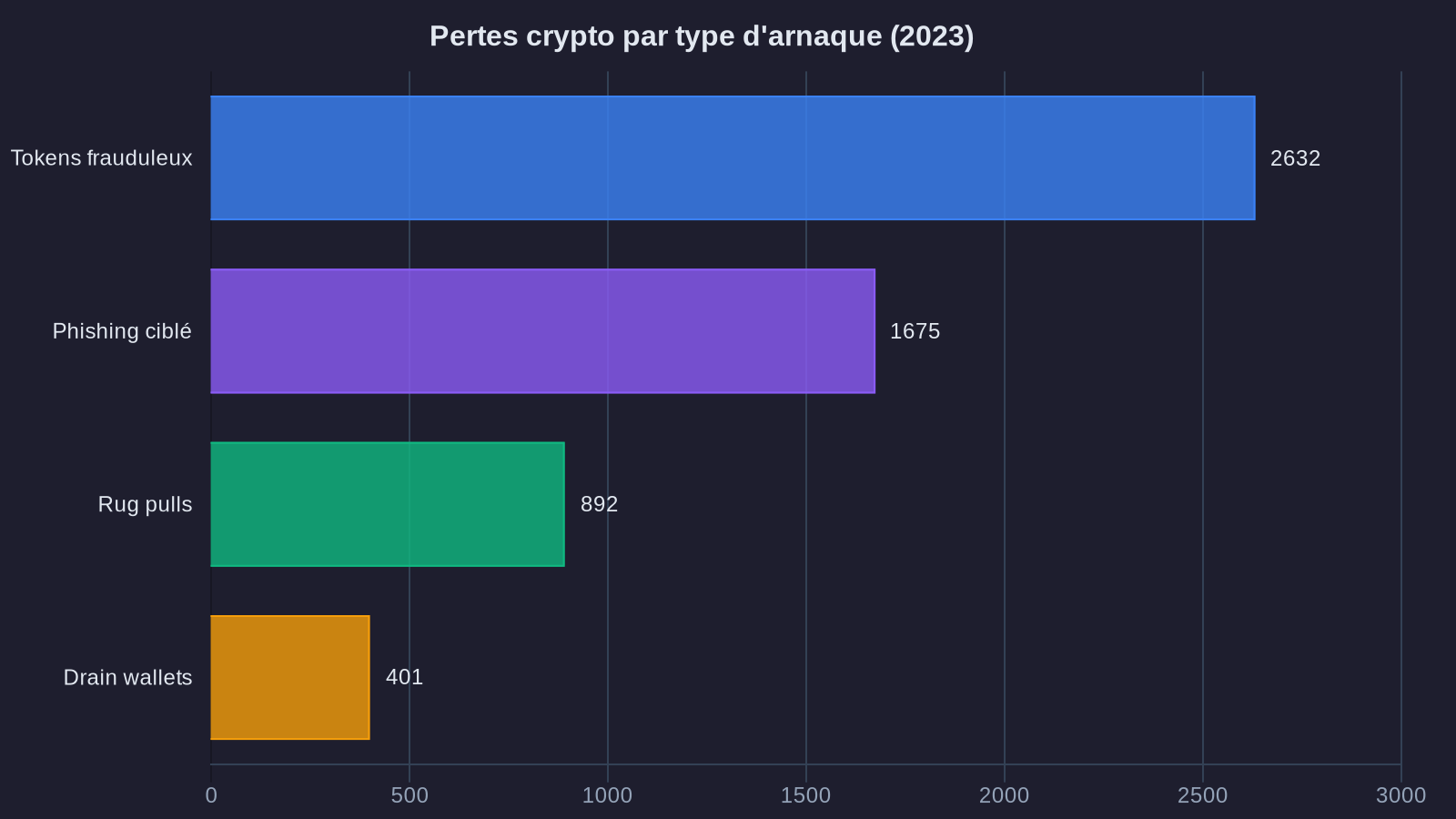
Cette histoire se répète des milliers de fois chaque mois. Selon Chainalysis, les arnaques crypto ont représenté 5,6 milliards de dollars de pertes en 2023, dont 47 % via des tokens frauduleux et des attaques de phishing ciblées. La sophistication de ces escroqueries atteint aujourd'hui un niveau où l'œil humain, même averti, peine à distinguer le légitime du malveillant.
Face à cette industrialisation de la fraude, une nouvelle génération d'outils émerge : des systèmes de détection fraude IA capables d'analyser en quelques secondes ce qu'un investisseur mettrait des heures à vérifier. Ces agents de scam detection automation ne remplacent pas la vigilance humaine, mais ils offrent une première ligne de défense automatisée particulièrement efficace contre le phishing crypto et les rug pulls avant même votre achat.
Comment l'IA détecte les signaux invisibles de la fraude
Les escrocs ont perfectionné l'art du camouflage. Un site frauduleux reproduit à l'identique l'interface d'une plateforme légitime. Un token copie le nom, le logo et même l'adresse contractuelle d'un projet reconnu, en changeant un seul caractère — technique connue sous le nom d'address poisoning particulièrement répandue sur Ethereum. Ces détails échappent facilement à une lecture rapide, surtout sous pression temporelle.
Les outils d'analyse par IA fonctionnent différemment de votre navigateur. Là où vous voyez une page web, l'algorithme examine le code source, les certificats de sécurité, l'historique DNS, les métadonnées des images et les patterns de comportement du smart contract. Il compare ces éléments à des millions de cas connus, détectant des similitudes que l'œil humain ne pourrait jamais identifier.
Prenons un exemple concret. Vous tombez sur un nouveau projet DeFi promettant 120 % de rendement annuel. Avant même de lire le whitepaper, un agent IA analyse le contrat intelligent déployé sur la blockchain. Il identifie une fonction cachée permettant au créateur de retirer l'intégralité de la liquidité sans autorisation des détenteurs. Cette fonction porte un nom anodin (adminFee ou rebalance) et se trouve noyée dans 2 000 lignes de code. Un développeur compétent la repérerait en une heure d'audit minutieux. L'IA la détecte en trois secondes.
Les systèmes les plus avancés ne se contentent pas d'analyser le code. Ils croisent plusieurs sources : l'âge du nom de domaine (créé il y a 48 heures ?), la cohérence des profils sociaux (Twitter ouvert la semaine dernière avec 500 abonnés achetés ?), les transactions blockchain du portefeuille émetteur (a financé 15 projets similaires disparus dans les trois derniers mois ?). Cette approche multidimensionnelle transforme radicalement la détection des schémas frauduleux sophistiqués.
Les outils concrets à votre disposition
La protection ne relève plus de la science-fiction. Plusieurs catégories d'outils sont aujourd'hui accessibles, avec des niveaux de complexité et d'intervention variables.
Les extensions de navigateur en temps réel
Des extensions comme MetaMask Snaps ou Pocket Universe s'intègrent directement à votre workflow. Lorsque vous vous apprêtez à signer une transaction, elles interceptent la demande et vous montrent en langage clair ce que vous êtes réellement en train d'autoriser. Si le site d'échange décentralisé prétend échanger vos USDT contre du ETH mais que la transaction réelle autorise un transfert illimité de tous vos tokens ERC-20, l'alerte s'affiche immédiatement.
Ces outils fonctionnent par simulation. Ils exécutent votre transaction dans un environnement virtuel avant de la soumettre réellement à la blockchain, vous permettant de voir le résultat exact : combien vous recevrez, quels tokens quitteront votre portefeuille, quelles autorisations vous accordez. Si une incohérence apparaît entre ce que le site affiche et ce que la blockchain exécutera, vous êtes alerté avant de valider.
Les analyseurs de tokens et rug pull identifier tools
Avant d'acheter un token inconnu, des plateformes comme Token Sniffer, GoPlus Security ou Honeypot Detector analysent automatiquement le contrat intelligent. Ils vérifient une série de red flags techniques :
- Présence d'une fonction permettant de bloquer les ventes (honeypot classique : vous pouvez acheter mais jamais revendre)
- Concentration excessive de tokens dans quelques portefeuilles (risque de dump coordonné)
- Fonctions de modification du code après déploiement (le contrat peut changer de comportement à tout moment)
- Absence de renonciation aux droits de propriété (le créateur conserve un contrôle total)
- Liquidité non verrouillée (peut être retirée instantanément)
Ces analyses produisent un score de risque accompagné d'explications détaillées. Un contrat peut être techniquement valide mais présenter un profil économique dangereux : 95 % des tokens détenus par trois portefeuilles, liquidité de 5 000 dollars seulement, contrat déployé il y a deux jours. Même sans vulnérabilité technique, le risque de rug pull reste maximal.
Les agents IA conversationnels spécialisés
Une catégorie émergente d'outils permet d'interroger directement une IA spécialisée en sécurité blockchain. Vous lui soumettez une adresse de contrat, un lien vers un site de prévente ou un message Discord suspect. L'agent effectue une analyse multi-dimensionnelle et vous répond en langage naturel, expliquant les risques identifiés et leur gravité.
Ces systèmes s'appuient sur des modèles de langage entraînés spécifiquement sur les patterns de fraude crypto. Ils reconnaissent les formulations typiques des arnaques ("opportunité limitée", "doublez vos ETH en 48h", "validez votre wallet pour participer") et identifient les incohérences factuelles (un projet prétendument développé par une équipe établie, mais aucune trace de cette équipe sur GitHub ou LinkedIn).
Ce que l'IA ne peut pas faire : la part irremplaçable du jugement humain
L'intelligence artificielle excelle dans la détection de patterns connus et l'analyse technique rapide. Elle présente cependant des limites structurelles qu'il faut comprendre pour ne pas tomber dans une confiance aveugle.
Un outil d'IA analyse le code tel qu'il est au moment de la vérification. Si le contrat intelligent inclut une fonction de mise à jour (proxy contract), le comportement peut changer après votre achat sans que l'analyse initiale ne l'ait détecté. De même, certaines arnaques sophistiquées utilisent des smart contracts légitimes en apparence, mais déploient la fraude via des interactions complexes entre plusieurs contrats interconnectés. L'IA peut manquer ces schémas distribués si elle n'analyse qu'un contrat isolé.
Les escrocs adaptent également leurs techniques en réponse aux outils de détection. On observe depuis 2023 une augmentation des "slow rug pulls" : au lieu de vider la liquidité en une transaction, les créateurs retirent progressivement les fonds sur plusieurs semaines, en quantités suffisamment faibles pour ne pas déclencher les alertes automatisées. L'IA détecte difficilement cette manipulation graduée sans contexte temporel étendu.
Enfin, la dimension humaine reste décisive. Un projet peut présenter un code irréprochable, une équipe visible et une roadmap cohérente, mais reposer sur un modèle économique fondamentalement insoutenable. L'IA identifie les fraudes techniques, pas les promesses économiquement impossibles. Si un protocole garantit 200 % de rendement annuel sans source de revenus identifiable, aucun algorithme ne vous protégera de l'effondrement inévitable — une réalité que même les protocoles DeFi établis n'échappent pas toujours.
Le point de vigilance
Les outils d'intelligence artificielle constituent une protection efficace contre les arnaques techniques standardisées : faux sites, contrats malveillants, phishing automatisé. Ils ne vous dispensent jamais de la vérification fondamentale : qui est derrière ce projet, d'où vient la valeur promise, pourquoi ce rendement serait-il possible ?
Utilisez ces outils comme un filtre initial, pas comme une validation définitive. Si l'IA ne détecte aucun problème technique mais que le projet promet des gains irréalistes sans modèle économique crédible, le risque reste entier. La technologie protège du code malveillant, pas de la cupidité mal placée.
Checklist de protection avant tout investissement
- Vérifiez l'adresse du contrat avec au moins deux outils d'analyse indépendants (Token Sniffer + GoPlus minimum)
- Simulez la transaction avec une extension de type Pocket Universe avant de signer
- Contrôlez l'âge du domaine (whois.com) et des profils sociaux officiels du projet
- Examinez la répartition des tokens : si trois portefeuilles détiennent plus de 50 % de l'offre, le risque de manipulation est majeur
- Vérifiez le verrouillage de liquidité : durée, montant, plateforme utilisée (Unicrypt, Team Finance, etc.)
- Recherchez des audits indépendants par des entreprises reconnues (CertiK, PeckShield, Hacken)
- Testez avec un montant minimal : achetez pour 20 euros, attendez 24h, essayez de revendre. Si vous ne pouvez pas, vous avez détecté un honeypot
- Consultez les historiques blockchain du portefeuille déployeur : a-t-il créé d'autres projets ? Qu'est-il advenu de ceux-ci ?
L'avenir de la protection automatisée
La course entre fraudeurs et systèmes de détection s'intensifie. Les prochaines générations d'outils intégreront probablement des capacités d'analyse prédictive plus poussées, croisant données on-chain et signaux comportementaux pour identifier les schémas de fraude émergents avant qu'ils ne se généralisent.
Plusieurs protocoles développent des "reputation layers" décentralisés, où chaque interaction blockchain alimente un score de confiance vérifié collectivement. Un portefeuille ayant participé à des dizaines de projets légitimes depuis trois ans bénéficierait d'une notation élevée, tandis qu'un portefeuille créé la veille pour déployer un nouveau token déclencherait automatiquement une vigilance renforcée.
Ces systèmes soulèvent néanmoins des questions de gouvernance. Qui définit les critères de réputation ? Comment éviter qu'un acteur malveillant ne construise artificiellement une bonne réputation avant de l'exploiter pour une arnaque de grande ampleur ? La technologie progresse, mais elle ne résoudra jamais le problème à votre place.
La meilleure protection reste la combinaison de trois éléments : des outils techniques performants, une connaissance solide des mécanismes de fraude, et la discipline de ne jamais investir sous pression temporelle. Si une opportunité vous impose de décider dans l'heure, c'est presque toujours une arnaque. Les projets légitimes vous laissent le temps de vérifier — une règle qui s'applique aussi bien aux investissements en stablecoins qu'aux tokens spéculatifs.