Imagine a small country nestled in the Himalayas, known for measuring "gross national happiness" rather than GDP. That same country quietly holds one of the world's largest Bitcoin reserves. And in January 2025, Bhutan proceeds with a $72 million liquidation of BTC. An operation that perfectly illustrates the challenges of sovereign crypto governance for asset-holding states.
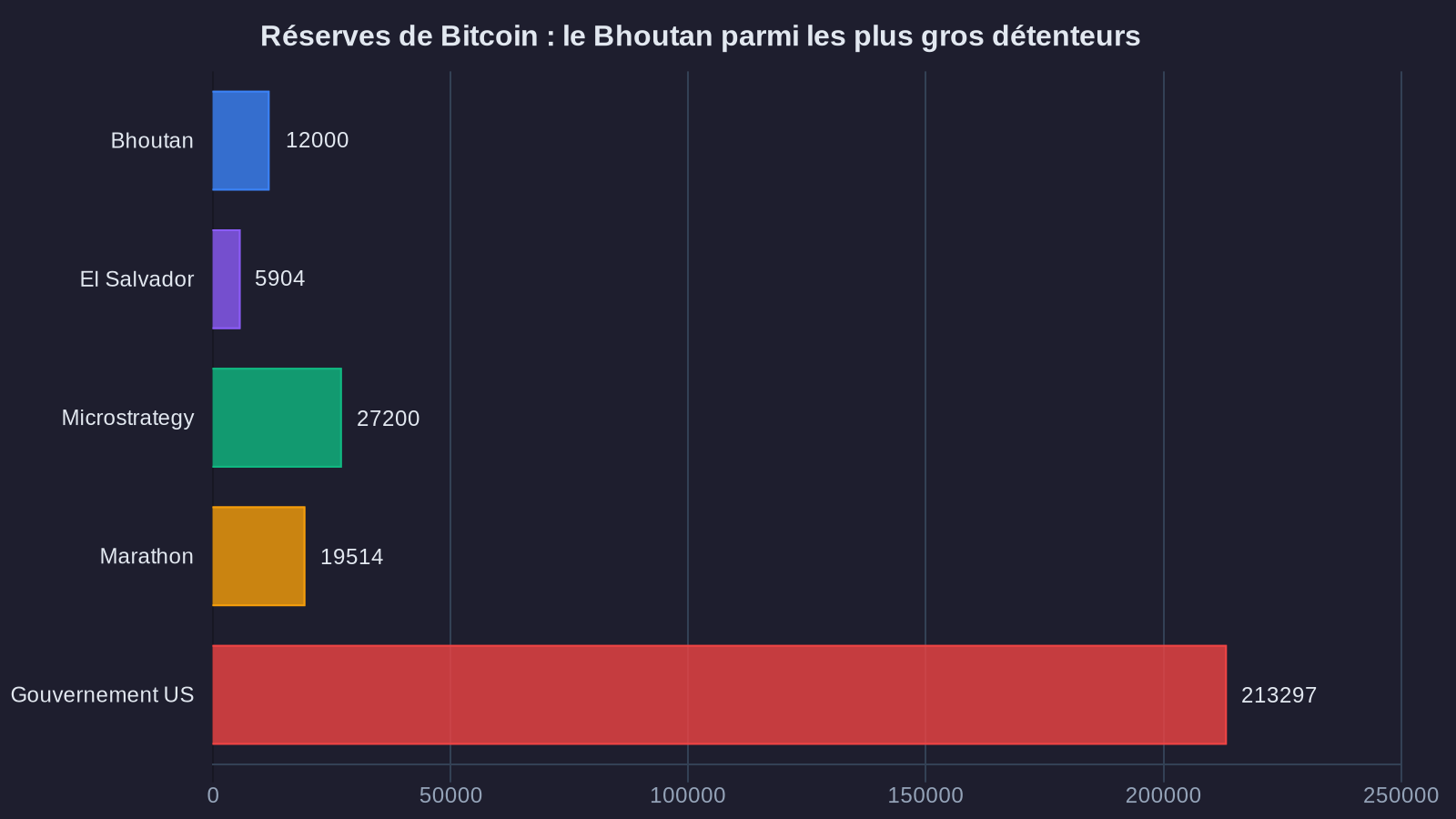
This decision raises eyebrows for one simple reason: Bhutan is not a typical state. With fewer than a million inhabitants and a GDP of $3 billion, this Buddhist kingdom appears as a minor player on the international stage. Yet it holds approximately 12,000 BTC, worth over $1.1 billion at current prices. A position that places it ahead of far larger countries.
The partial liquidation of its holdings raises a question that all institutional Bitcoin holders will eventually have to confront: when to sell? And more importantly, why?
How Bhutan Ended Up With So Much Bitcoin
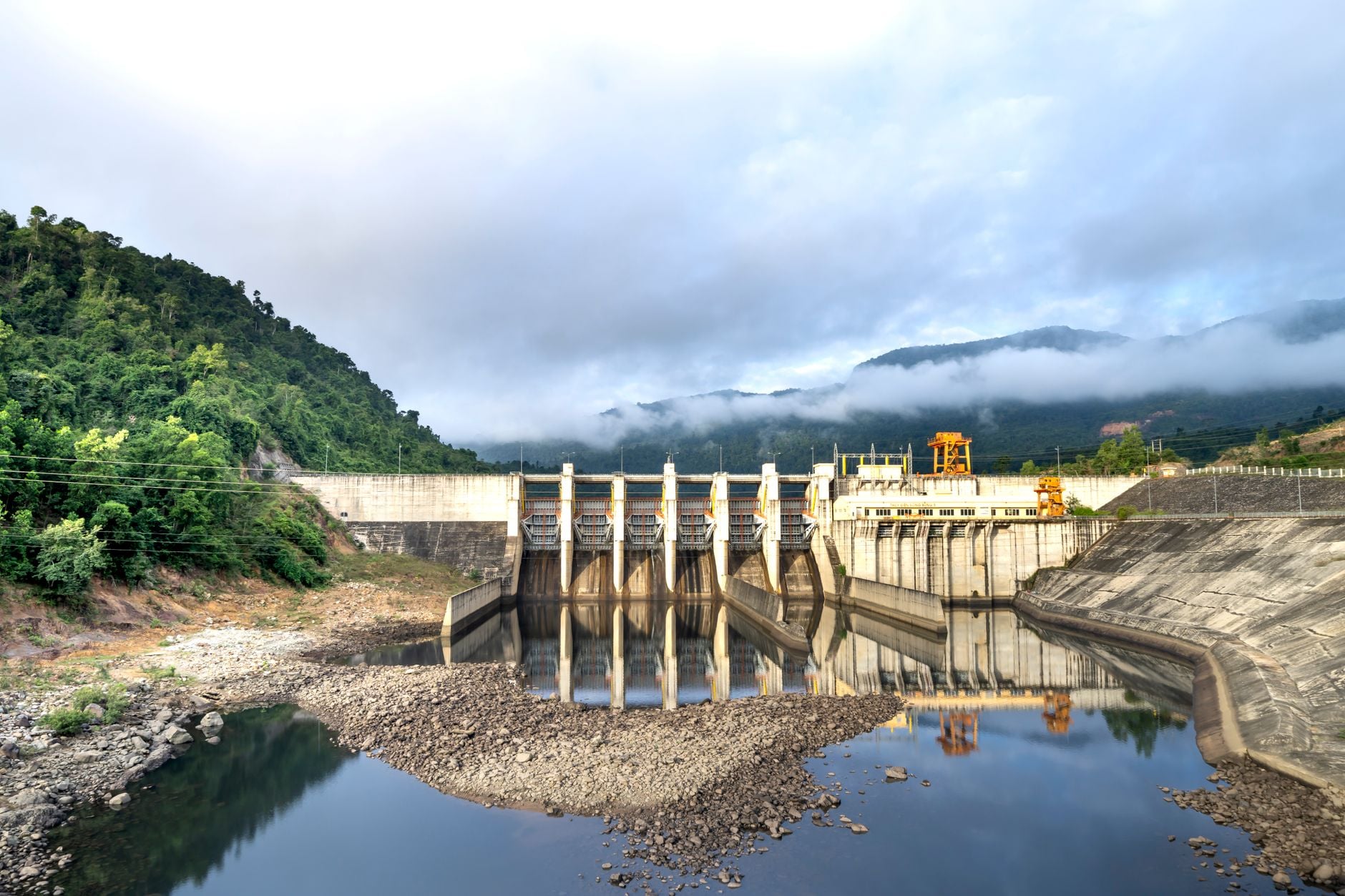
The story begins in 2019, in complete secrecy. The Bhutanese government launches a Bitcoin mining operation, powered by its hydroelectric plants. The country possesses a considerable advantage: abundant, clean, and cheap electricity thanks to its mountain rivers.
It's as if you discovered your basement produces gold by magic. Bhutan transforms its water into digital assets. No market purchases, no speculation: direct, regular, almost industrial production. An approach that stands apart from classical Bitcoin ownership.
For years, no one knows exactly how much BTC the kingdom accumulates. Blockchain analysts spot suspicious movements, but the origin remains unclear. Until 2023, when official documents confirm the scale of the operation: Bhutan has been mining Bitcoin for at least four years, with investments in mining farms worth tens of millions of dollars.
Result: by 2025, the small kingdom holds more Bitcoin than most developed countries. An unexpected strategic position for a state that champions simplicity and material detachment in its national philosophy.
Bhutan Bitcoin Sale: Why Liquidate Now?
The decision to liquidate $72 million doesn't come out of nowhere. Bhutan faces very concrete constraints, and the timing of this sale reveals a thoughtful blockchain-based sustainable financing strategy.
Funding Hydroelectric Dams
The Bhutanese government has been explicit: the funds serve to build new hydroelectric infrastructure. The irony is delicious. The country uses its electricity to mine Bitcoin, sells some of that Bitcoin, and reinvests in... electricity production. A virtuous circle, or a risky bet?
These dams represent Bhutan's economic future. The country already sells 70% of its electricity to neighboring India. Increasing production capacity means boosting export revenues, reducing dependence on international aid, and continuing to mine Bitcoin with even cheaper electricity.
Diversifying National Reserves
Holding over a billion dollars in Bitcoin when your GDP is three billion is bold. Perhaps too bold. The Bhutanese government appears to want to rebalance its exposure. Keeping 100% of your crypto reserves in an asset as volatile as Bitcoin is a considerable risk for an entire nation.
By liquidating a fraction (roughly 6% of its holdings), Bhutan diversifies without abandoning its crypto strategy. It's prudent management: you lock in gains, you fund priority projects, you keep the bulk of your treasure for the future. An approach that underscores the importance of managing risk on volatile assets.
Capitalizing on a Favorable Market
January 2025. Bitcoin hovers around $100,000 after hitting record highs in late 2024. The market remains bullish, liquidity is strong, and selling $72 million doesn't move the needle on prices. The timing isn't bad.
Unlike the brutal liquidations by German Saxony in July 2024 (which had contributed to pushing BTC below $55,000), Bhutan proceeds with discretion. No grand announcements, no panic selling. Just a clean technical operation, executed properly.
What This Liquidation Reveals About Sovereign Crypto Governance
The Bhutanese approach contrasts sharply with that of other governments. When Germany sells all of its seized Bitcoin (nearly 50,000 BTC in July 2024), it does so to get rid of assets considered burdensome. No strategy, just administrative liquidation.
Bhutan, meanwhile, manages its Bitcoin like a strategic reserve. It doesn't view them as digital war booty to be dumped quickly, but as an asset to optimize. This difference in approach is fundamental.
El Salvador first—which made Bitcoin legal tender in 2021—regularly buys BTC on the market. Maximalist strategy, strong political gamble, but obvious fragility: the country doesn't produce its Bitcoin, it buys it with limited reserves.
Bhutan, conversely, mines it. This endogenous production changes everything. The country doesn't depend on market fluctuations to acquire Bitcoin. It produces, accumulates, and sells when it serves national interests. That's real crypto sovereignty, not symbolic.
Lessons for Other Bitcoin-Holding States
If you're a government sitting on thousands of Bitcoin (seized, mined, or purchased), the question is no longer "should we own it?" but "what should we do with it?" The Bhutanese case offers an interesting model for governing national Bitcoin holdings.
First point: have a clear strategy. Bhutan doesn't sell out of panic or ideology. It sells to fund infrastructure that will generate future revenues. This is classic asset management applied to Bitcoin. Too many states still view their BTC as toxic assets to liquidate as quickly as possible.
Second point: discretion pays. Large, publicized sales (Germany, the US with Silk Road Bitcoin) create volatility and depress prices. Bhutan operates in silence, preserves the value of its remaining assets, and avoids political backlash.
Third point: produce rather than buy. The Bhutanese model relies on mining with cheap renewable energy. It's a path difficult to replicate elsewhere (how many countries have Himalayan rivers?), but it shows there are alternatives to direct market purchases.
Finally, size matters. Bhutan can afford to have 30% of its GDP in Bitcoin because it's small, agile, and its decisions don't impact global markets. A G7 country couldn't pull this off without triggering major geopolitical shockwaves.
The Long-Term Bet: Hold or Sell?
The central question remains: did Bhutan make the right call selling now? If Bitcoin reaches $150,000 or $200,000 in the coming months, those $72 million liquidated will taste bitter. Conversely, if the crypto market plunges into an extended winter, the kingdom will have locked in gains at the right moment.
No one can predict the market. But what's certain is that Bhutan has demonstrated something essential: you can be a small state, far from global financial centers, and develop a coherent crypto strategy, thoughtfully aligned with national interests.
The Himalayan kingdom still holds over a billion dollars in Bitcoin. It continues to mine. It reinvests in its infrastructure. And it watches the market, ready to adjust its strategy as needs dictate.
This pragmatic approach, far removed from ideological pro or anti-crypto posturing, could well inspire other governments. Because fundamentally, the question isn't whether states should hold Bitcoin. The question is what they do with it once they have it.
Key Takeaway: Bhutan liquidated 6% of its Bitcoin reserves to finance hydroelectric dams while retaining over a billion dollars in BTC. This strategy exemplifies mature crypto governance: produce rather than buy, sell with discretion when serving national interest, diversify without abandoning strategy. A rare model in a world where states too often still view Bitcoin as cumbersome assets to liquidate as quickly as possible.