In January 2025, S&P Global's acquisition of OpenZeppelin sent shockwaves through the crypto ecosystem. S&P Global announced the purchase of OpenZeppelin, one of the major players in smart contract security. The deal, whose value was not disclosed, marks the entry of one of the heavyweights in traditional financial ratings into the decentralized finance ecosystem. To understand the implications of this acquisition, we must first grasp what OpenZeppelin represents in current blockchain infrastructure.
OpenZeppelin is far more than just another audit firm. The company has developed open-source smart contract libraries that have become de facto standards across the Ethereum ecosystem. Billions of dollars flow daily through DeFi protocols that rely on OpenZeppelin's code. When S&P Global, whose ratings influence asset allocation decisions for thousands of financial institutions, decides to acquire this expertise, the signal is unmistakable: onchain security is becoming a rating concern just like the solvency of a bond issuer.
Smart contract security audits: a market taking shape
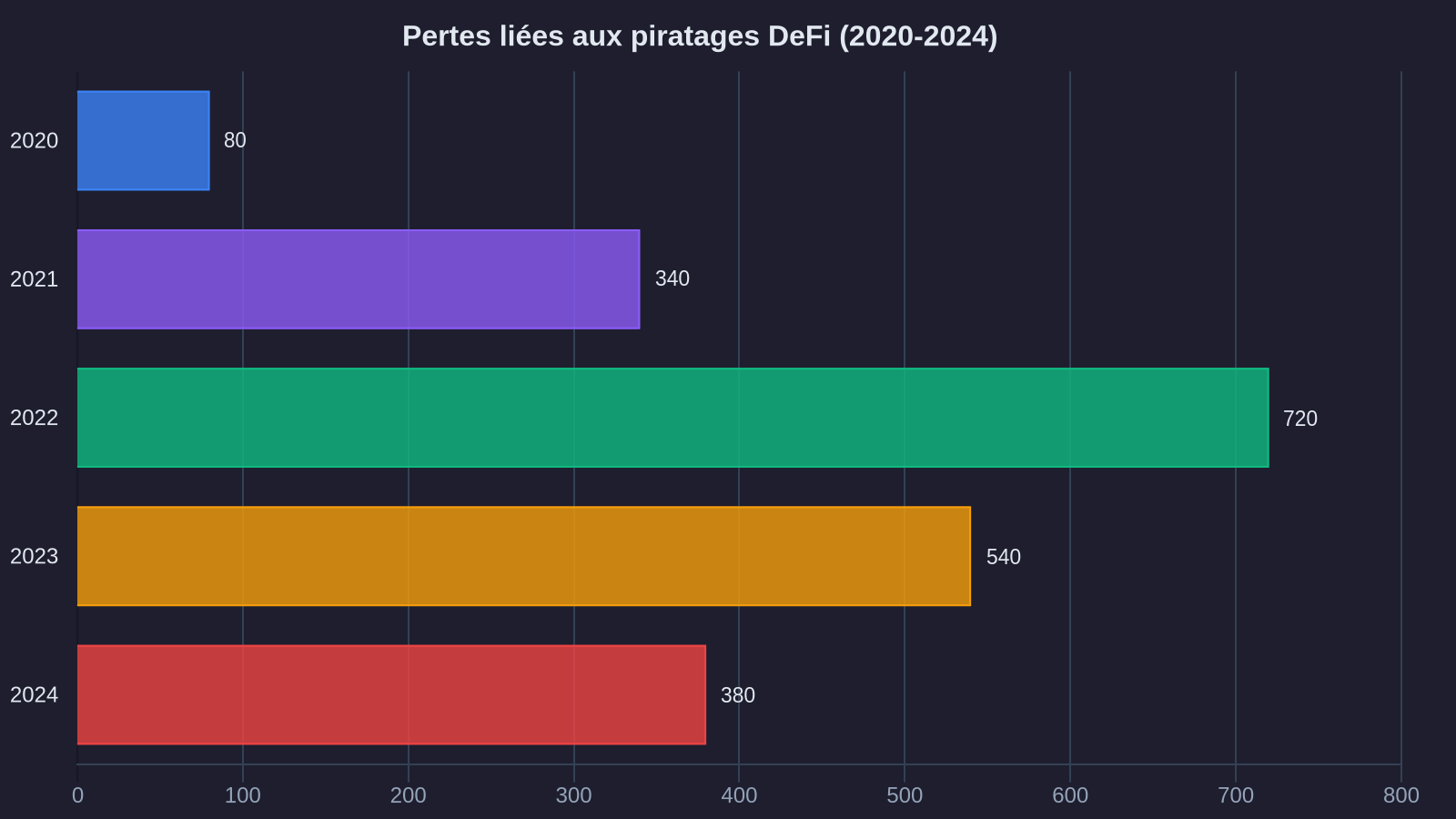
The smart contract security audit market has developed in response to a series of hacks that cost DeFi protocols hundreds of millions of dollars. Unlike traditional financial auditing, smart contract audits require dual expertise: mastery of blockchain programming languages (Solidity, Rust, Cairo depending on the ecosystem) and understanding of the underlying financial mechanisms. An auditor must identify exploitable code vulnerabilities, but also anticipate economic attack vectors like oracle manipulation or flash loan attacks.
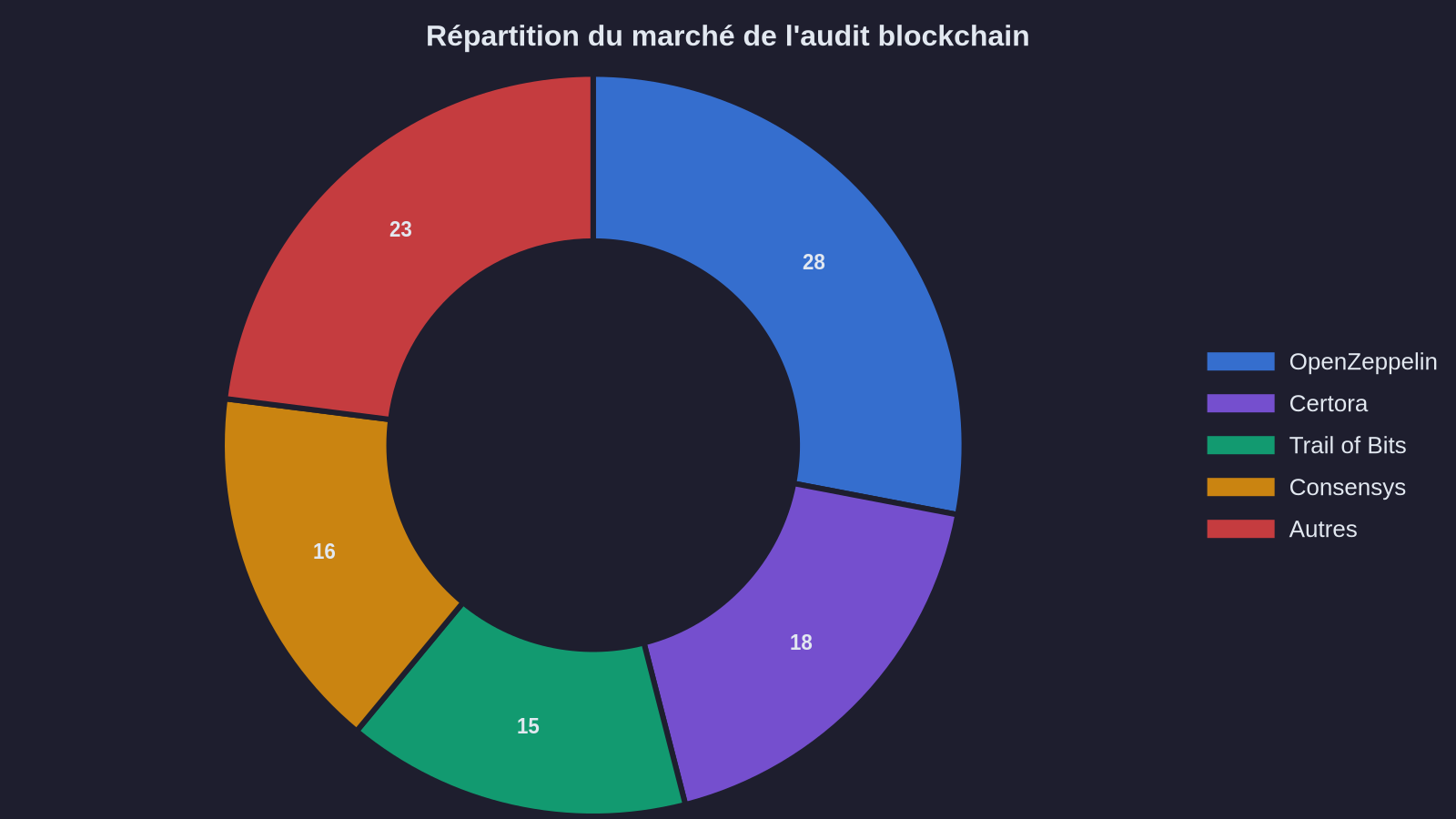
OpenZeppelin established itself in this field through a methodical approach. The company doesn't simply validate a protocol's code before launch. It maintains libraries of secure components, regularly audited and updated, that developers can integrate directly. This standardization has significantly reduced risks from repetitive coding errors. Rather than reinventing the wheel for each new protocol, development teams can rely on building blocks tested in production across hundreds of projects.
S&P Global's acquisition comes at a moment when European regulation, through the MiCA framework, imposes growing requirements for blockchain security standards among crypto-asset service providers. Institutional players considering operating onchain infrastructure or offering regulated DeFi services need security guarantees that are auditable, traceable, and recognized by regulators. That's precisely what S&P Global aims to offer by integrating OpenZeppelin's capabilities.
What changes for DeFi protocols with this acquisition
For decentralized protocols, this acquisition raises a strategic question: should we welcome a traditional rating player's interest in DeFi, or worry about a form of centralization in security judgment? The answer largely depends on the business model S&P Global will deploy.
If the goal is to offer standardized security ratings for DeFi protocols, this could facilitate the integration of these assets into institutional allocations. A financial executive who needs to justify exposure to a liquid staking protocol before the board will have a recognized framework, comparable to traditional bond ratings. This would lower entry barriers for institutions still hesitant to allocate part of their treasury to onchain returns, lacking a clear analytical framework.
Conversely, this centralization of judgment could create threshold effects. A poorly rated protocol from S&P Global could find itself cut off from institutional capital access, even if its technical security were comparable to better-rated competitors. This mirrors a well-known problem in bond markets, where agency ratings influence financing costs sometimes disproportionately to actual risks.
For protocols that have already had their code audited by OpenZeppelin, service continuity is obviously at stake. S&P Global stated that OpenZeppelin's team would retain operational autonomy, but post-acquisition integration reality is often more complex. Protocols will need to monitor evolving audit methodologies and ensure technical quality remains at expected levels.
DeFi compliance: regulatory implications for French stakeholders
From a DeFi compliance perspective, this acquisition arrives at a pivotal moment for French companies evaluating crypto allocation. The MiCA framework imposes strict obligations on crypto-asset service providers (PSANs) regarding operational risk management and information system security. Until now, smart contract audit requirements remained unclear in regulatory texts. Supervisory authorities mentioned the need to ensure onchain infrastructure security without specifying expected standards.
With a player like S&P Global entering blockchain auditing, we can anticipate a gradual standardization of requirements. Regulators will have a structured framework for evaluating protocol robustness used by regulated PSANs. This could eventually translate into mandatory external audits for any protocol that a regulated provider relies on to generate returns or ensure asset custody.
For a French SME considering placing part of its treasury in staking protocols, this evolution could paradoxically simplify decision-making. Rather than having to independently assess a protocol's technical soundness, which requires specialized expertise rarely available in-house, it can rely on standardized ratings. The risk, however, is that this standardization disadvantages innovative but newer protocols that haven't yet reached the maturity level for favorable ratings.
Toward real-time onchain rating of counterparty risks?
S&P Global's acquisition of OpenZeppelin opens a broader perspective: real-time onchain rating of risks associated with DeFi protocols. Unlike traditional bond ratings, which rely on quarterly published financial statements, blockchain enables continuous monitoring of risk metrics. Available liquidity volume, concentration of governance token holders, evolution of collateral deposited in lending protocols: all this data is public and continuously updated.
We can imagine a system where S&P Global publishes dynamic risk scores, accessible via blockchain oracles, that other protocols could consume to automatically adjust their parameters. A lending protocol could thus adjust interest rates or collateralization ratios based on real-time ratings of accepted collateral assets. This increased transparency would represent a significant advance over traditional financial markets, where ratings often lag behind the economic reality of issuers.
Still, this vision assumes S&P Global will make its rating methodologies transparent enough to be auditable by the community. Decentralized finance rests on a principle of verifiability: code is open source, transactions are public, governance rules are written into smart contracts. Opaque ratings, established according to proprietary criteria, would conflict with this philosophy. One of S&P Global's challenges will be balancing intellectual property protection with the blockchain ecosystem's transparency requirements.
Key takeaways for financial decision-makers
This acquisition marks a step in DeFi infrastructure professionalization. For executives evaluating crypto allocation in their treasury management, it signals that blockchain security standards and compliance are progressively converging with those of traditional finance. This doesn't eliminate the inherent risk in crypto-assets, which remains high, but it provides more structured evaluation tools.
In the coming months, it will be important to monitor how S&P Global integrates OpenZeppelin's capabilities into its existing offerings. If the agency develops a specific rating framework for DeFi protocols, accessible to institutions and companies, this could facilitate onchain yield solution adoption by previously reluctant players. Conversely, if this acquisition results in mere internal technical skill consolidation without ecosystem openness, the impact will remain limited.
For a French company considering diversifying its treasury through staking or decentralized lending protocols, the advice remains unchanged: never allocate to assets whose yield generation mechanisms you don't understand, and always verify that used protocols have undergone recent independent smart contract security audits. S&P Global's entry into this field doesn't change this fundamental rule, but it provides an additional analytical framework for structuring allocation decisions.