
Imagine your local bank refused to show its accounts to an independent auditor for ten years. You'd keep depositing your money there? Probably not. Yet that's precisely what happened with Tether, the issuer of USDT, the world's most-used stablecoin with $184 billion in circulation.
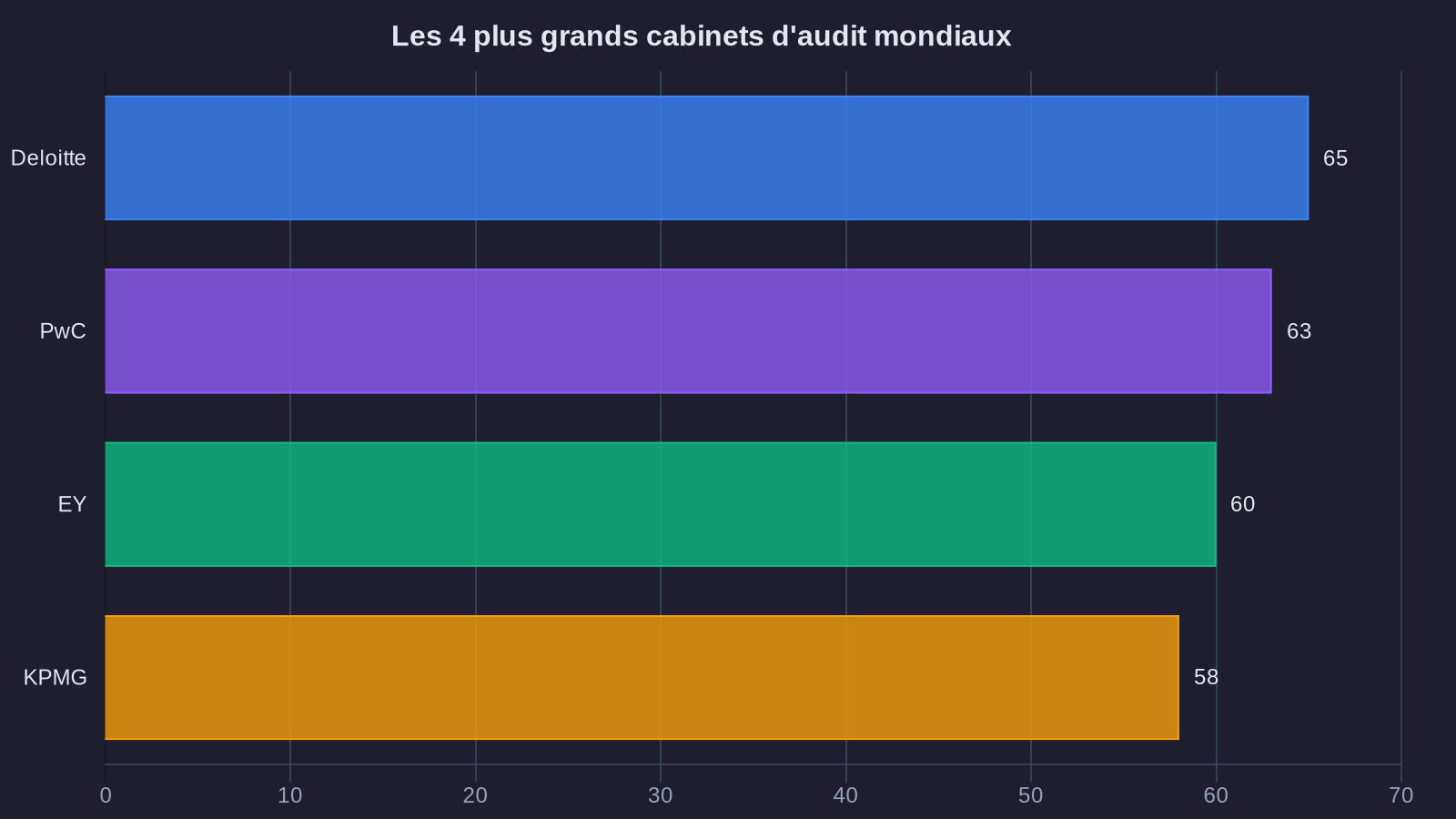
In March 2025, a long-awaited event finally happened: KPMG, one of the world's four largest audit firms, validated Tether's reserves. This validation finally delivered the Tether transparency regulators and investors had been demanding for years. To understand why this announcement is shaking the crypto world, you first need to grasp what a stablecoin really is and why the audit question had become so critical.
The stablecoin: a promise that demands absolute trust
A stablecoin is a cryptocurrency designed to maintain a stable value, typically pegged to the dollar. Tether's USDT makes a simple promise: each token you hold is worth 1 dollar, and you can theoretically exchange it for 1 real dollar at any time.
It's like depositing 100 euros at a restaurant's coat check and receiving 100 tokens in return. You dine, you gamble, you trade your tokens with other patrons. At the end of the evening, you return your tokens and get your 100 euros back. The system only works if the coat check actually keeps your money in its safe.
Yet for years, Tether refused to show inside its vault. The company published attestations signed by obscure accounting firms, but never a genuine USDT audit meeting international standards. This opacity fueled every doubt: what if Tether didn't actually hold the $184 billion it claimed? This question resonates even more strongly since stablecoins have become front-and-center geopolitical instruments.
Why this KPMG audit represents a historic turning point
The difference between an attestation and a full audit is like the difference between a photo of your bank statement and a thorough tax audit. An attestation verifies a single point in time. An audit examines processes, flows, internal controls, and fund traceability over several months.
KPMG didn't simply glance at an account statement dated December 31st. The firm scrutinized Tether's reserves according to ISAE 3000 standards, the international benchmark for assurance engagements. This means verifying that every dollar of USDT in circulation corresponds to an actual dollar (or equivalent) held in reserve, whether in US Treasury bonds, liquid assets, or other high-grade assets—what we call reserved requirements.
The verdict came in: the reserves are compliant. At the audit reference date, Tether actually held enough to cover all USDT in circulation. For the first time since its creation in 2014, Tether can brandish a certificate signed by a globally recognized player.
What this changes for stablecoin regulation
American and European regulators have been scrutinizing stablecoins for several years. The European Union adopted the MiCA regulation (Markets in Crypto-Assets), which imposes strict reserve and transparency requirements. In the United States, multiple pieces of legislation are circulating to govern these assets, considered potentially systemic. As illustrated by the new regulatory framework from the US Treasury, stablecoin regulation is intensifying.
The KPMG audit gives Tether a powerful argument in these discussions. The company can now claim it meets standards equivalent to those required for traditional financial institutions. This doesn't guarantee it will obtain every license it wants, but it removes a major obstacle.
We're already seeing a change in tone: where authorities once pointed at Tether's opacity, they can now rely on a credible audit report to evaluate actual risks. The conversation shifts from "you refuse to show your accounts" to "here's what's in your reserves, let's discuss their quality".
The impact on trust in the crypto ecosystem
For years, a sword of Damocles hung over the cryptocurrency market: what if Tether collapsed? With $184 billion in circulation, USDT serves as the exchange currency on virtually every platform. It's the fuel that lets traders quickly move from Bitcoin to Ethereum without reverting to traditional dollars.
A Tether collapse would have created a catastrophic domino effect. Investors would have fled en masse, exchanges would have seen their liquidity evaporate, and cryptocurrency prices across the board would probably have plummeted. This systemic risk explains why the lack of an audit worried industry professionals so deeply.
The KPMG audit doesn't eliminate all risks. Tether's reserves remain invested in assets that can fluctuate in value. A major crisis in bond markets could theoretically affect Tether's ability to honor all redemptions simultaneously. But the gray zone of total uncertainty has transformed into a measurable, manageable risk.
Market reaction: between relief and skepticism
On specialized forums and in investor circles, reactions are mixed. Part of the crypto community celebrates this validation as proof that doubts were just "FUD" (fear, uncertainty, doubt). Another part remains cautious, pointing out that a one-time audit doesn't guarantee perpetual system soundness.
What's certain is that Tether has crossed a decisive threshold in its quest for legitimacy. Institutional investors, who until now strongly preferred Circle's USDC (already regularly audited), might reconsider their position. Large banks considering integrating stablecoins into their services now have a more reliable point of comparison.
Toward a new era for stablecoins?
The KPMG audit of Tether could well mark stablecoins' passage into adulthood. For years, these assets grew in a regulatory gray zone, buoyed by the utility they provided but hampered by their lack of transparency.
We're now witnessing gradual normalization. Stablecoin issuers who refuse to submit to regular audits by recognized firms will find it increasingly difficult to convince. Regulators will have a precedent to impose these requirements. Users themselves, both individuals and institutions, will favor stablecoins whose reserves are verifiable.
This evolution raises a strategic question: will stablecoins become quasi-banks, subject to the same constraints as traditional financial institutions? Or will they manage to maintain the agility inherent to the crypto world while adopting necessary safeguards?
The answer is already taking shape. Tether, with its $184 billion in audited reserves, is no longer an opaque startup in the British Virgin Islands. It has become a financial institution managing more assets than many American regional banks. The KPMG audit marks this transformation: the Wild West of crypto is gradually giving way to a structured ecosystem where trust no longer rests on promises but on verifiable proof.