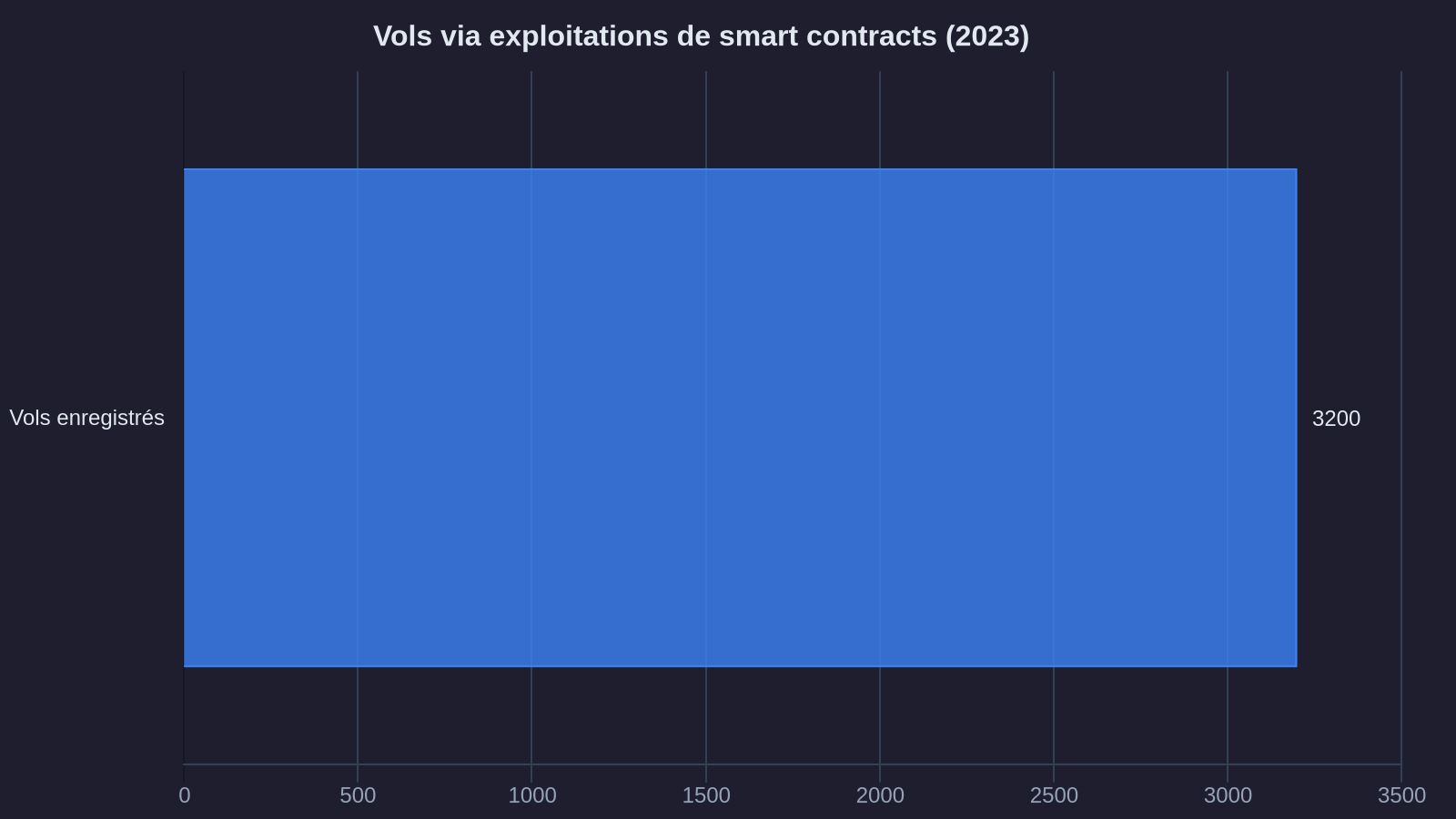
In October 2023, blockchain analytics firm Chainalysis reported over $3.2 billion stolen through smart contract exploits. A significant portion of these thefts stem not from sophisticated hacking, but from a fundamental misunderstanding: many users believe that disconnecting from a decentralized application revokes access to their funds. This is incorrect.
When you use a decentralized exchange, a lending protocol, or even a simple NFT sales service, you grant a permanent authorization — an approval — that persists until you explicitly revoke it. This authorization allows the smart contract to move your tokens, even months after your last interaction.
The "Disconnect" button you press on Uniswap, Aave, or OpenSea merely interrupts the visual interface between your browser and the application. On the blockchain, the authorization remains active, intact, and ready to be used. Understanding this mechanism and knowing how to audit and revoke these smart contract approvals has become a fundamental security skill for anyone using decentralized finance.
The approval mechanism: how authorization really works
To interact with a smart contract, your wallet must grant an explicit permission: the approval. Take the example of a token swap on a decentralized platform. You want to exchange USDC for ETH. The platform's smart contract needs your consent to withdraw USDC from your address and execute the swap.
On your first transaction, your wallet (MetaMask, Ledger Live, Rabby, or another) displays an approval request. The message typically indicates an amount: either the exact sum of tokens you're exchanging, or an unlimited amount. Many applications request an unlimited approval by default to spare you from validating this authorization on every future operation. It's convenient. It's also risky.
Once this authorization is signed, it's recorded on the blockchain. It no longer depends on your connection to the application, your active session, or your browser. It becomes an enforceable contract that the authorized smart contract can execute at will, until you explicitly revoke it.
Here's what that means in practice: if you authorized a protocol to move 10,000 USDC six months ago, never reconnected since, that authorization remains. If the protocol's smart contract contains an undetected vulnerability, if the development team is compromised, or if the application was actually a disguised fraudulent platform, your assets remain accessible. This is precisely the type of flaw that sophisticated cyberattacks exploit, even on established platforms.
Underestimated risk scenarios
Certain practices significantly increase your exposure without your awareness.
Testing a new platform with small amounts, then forgetting about it. You tried a new yield farming protocol with €50 of USDC to "see how it works." You granted an unlimited approval by default. You never revoked that authorization. Six months later, you're holding €20,000 of USDC on the same address for another purpose. The test protocol's smart contract retains unlimited access to your entire balance.
Interacting with unverified or recently launched applications. Established protocols (Uniswap, Aave, Curve) benefit from multiple security audits and community oversight. Three-week-old applications don't. Some are legitimate projects in early launch phases. Others are deliberate traps. Once the approval is granted, the contract can be modified or exploited by its creators.
Using aggregators or third-party interfaces. Services like 1inch or Matcha aggregate multiple liquidity sources to optimize your swaps. To operate, they request approvals on their own smart contracts, separate from the underlying protocols. You thus accumulate multiple layers of authorizations for a single operation.
Suspicious airdrops and free NFTs. Some scams work through incentive: you receive an unsolicited token or NFT. To "claim" or "sell" it, you're redirected to a site requesting a series of approvals. Once signed, these authorizations grant access to your actual assets.
The common thread in these scenarios: disconnecting doesn't solve anything. You can close your browser, uninstall your wallet extension, the vulnerability persists as long as the approval is active.
How to audit and revoke your existing authorizations
The good news: reliable tools exist to visualize and revoke all active authorizations on your address. The bad news: this verification isn't automatic — it requires deliberate and regular effort.
Use an approval management tool. Several services can scan your wallet and display all active authorizations. The most widely used are Revoke.cash (Ethereum, BSC, Polygon, Arbitrum, Optimism), Etherscan Token Approvals (Ethereum), and Unrekt (multi-chain). You connect your wallet in read-only mode, these tools query the blockchain and list every smart contract with active access to your tokens.
For each approval, you'll see: the protocol name, the authorized token type, the amount (limited or unlimited), the date of last update. You can then revoke authorizations one by one. Each smart contract revocation requires an on-chain transaction, thus network fees (gas fees). On Ethereum, depending on congestion, revoking an authorization might cost between €2 and €20. On networks like Polygon or Arbitrum, fees are negligible.
Prioritize revocations. If you have dozens of active approvals and revoking each represents a cost, start with those presenting the highest risk: unlimited authorizations (unlimited), protocols you don't recognize or no longer use, unaudited applications, high-value tokens. Keep authorizations for established protocols you use regularly, ensuring they're amount-limited.
Adopt preventive discipline. Before signing an approval, check the requested amount. Many wallets (Rabby, Frame) now display a clear warning when an application requests unlimited access. You can manually modify this amount and authorize only the sum needed for your immediate operation. This requires revalidating an approval on each transaction, with additional fees, but drastically reduces your attack surface.
Schedule a monthly or quarterly audit of your wallet. Just as you review bank statements or access to online services, review your active approvals. Revoke what's no longer relevant. This simple routine eliminates 90% of deferred exploitation risks.
The key consideration
Decentralized finance rests on a principle of individual responsibility: no institution will revoke these authorizations for you, no customer service will alert you. The approval you signed a year ago for a defunct protocol technically remains exploitable until you cancel it. Disconnecting from an application is merely cosmetic. Revoking the authorization is the real security action.
Building sustainable security hygiene
Beyond one-time revocation, a few permission management practices structurally reduce your exposure.
Separate your wallets by use case. Keep one wallet for long-term storage, with zero interaction with smart contracts. Use a second wallet, with limited amounts, to explore new protocols or test applications. If this wallet is compromised, your main holdings remain protected. This segmentation is particularly relevant for holders of significant amounts.
Favor audited and established protocols. This doesn't guarantee absolute security — major protocols have been exploited — but it substantially reduces the probability of deliberate compromise or gross negligence. Before interacting with an application, verify the existence of public audits (CertiK, Trail of Bits, OpenZeppelin), development team transparency, project track record. The importance of these audits is comparable to verifying the solvency of centralized platforms.
Beware of artificial urgency. Approval scams often rely on creating a sense of urgency: "Claim your airdrop before midnight," "Sell this rare NFT now." No legitimate project imposes a few-hour window to interact. Take time to verify a request's origin, consult the project's official channels, research feedback from other users.
Finally, continue learning. Attack vectors evolve. Protocols adjust security standards. Revocation tools improve. Following a few specialized blockchain security accounts (such as @officer_cia, @tayvano_, or Chainalysis alerts) keeps you informed of emerging threats and best practices.
Decentralized finance transfers control — and thus security responsibility — to users. This transfer is powerful, eliminating intermediaries and their failures, but it demands active vigilance. Revoking your unused approvals isn't a complex technical task. It's a discipline. A discipline that, applied regularly, makes your assets significantly safer.